Emergent Canopy
Introduction
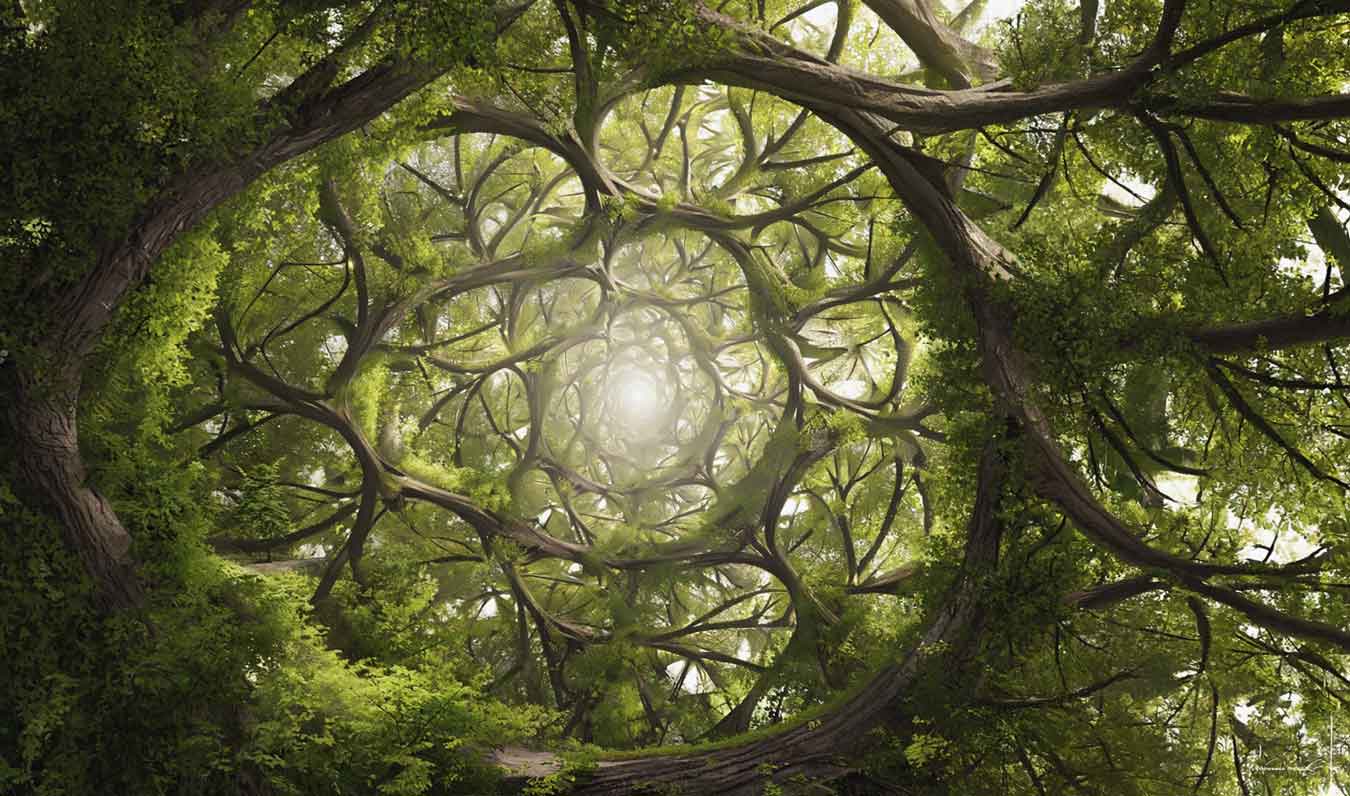
What was once individual begins to merge: leaves forming networks, branches weaving into shared space, growth through repetition, nested intelligence, collective emergence creating new conditions.
Micro Attunement Statement: Growth becomes environment.
Opening Context
In Spring, Nature transitions from isolated budding into collaborative expansion. Trees no longer appear as structures—they become atmospheres.
The symbolic correspondence: Canopy formation mirrors social and creative ecosystems where independent efforts eventually generate shared environments.
The season crosses a threshold where individual growth becomes environmental transformation, where trees no longer occupy space, they generate it.
Core Concept
This field explores threshold emergence systems—points where individual units collectively create a new layer of reality. Trees do this through fractal branching, canopy layering, and emergent systems.
Moments occur where accumulation becomes ecosystem. The canopy is not a singular object. It is cooperative development generated through countless independent unfoldings.
Pattern Fragments
Intention with imagery prompts is to illustrate the moment when accumulation becomes transformation.
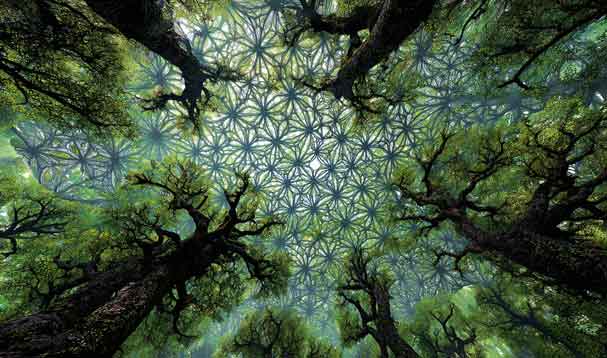
- Fractal branching systems — Repeating limb structures expanding outward into layered spring geometry.
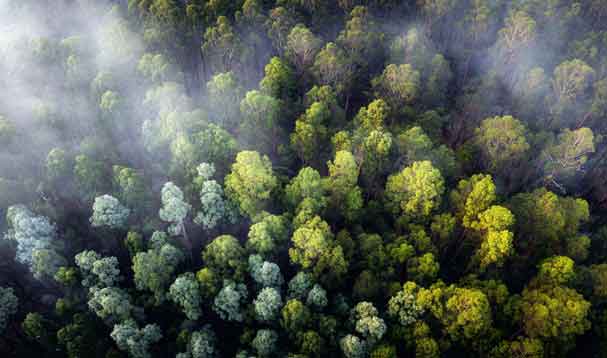
- Threshold density transitions — Sparse budding transforming into continuous green atmospheric cover.
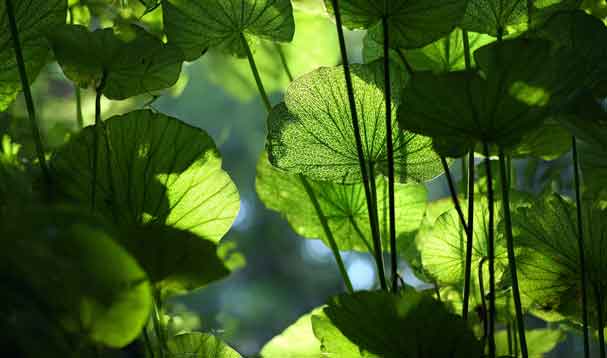
- Environmental layering — Overlapping leaves filtering sunlight into textured green diffusion patterns.
Process Insights
Observer Note: At a certain threshold, growth stops being additive and becomes transformative.
- Small repeated growth alters entire environments over time.
- Thresholds are often invisible until crossed.
- Collective emergence creates conditions impossible individually.
Closing Mark
A thousand small openings forming a single sky.
- Recorded beneath newly formed maple canopy
- Earth Cycle: 2026.05