Floral Aperture
Introduction
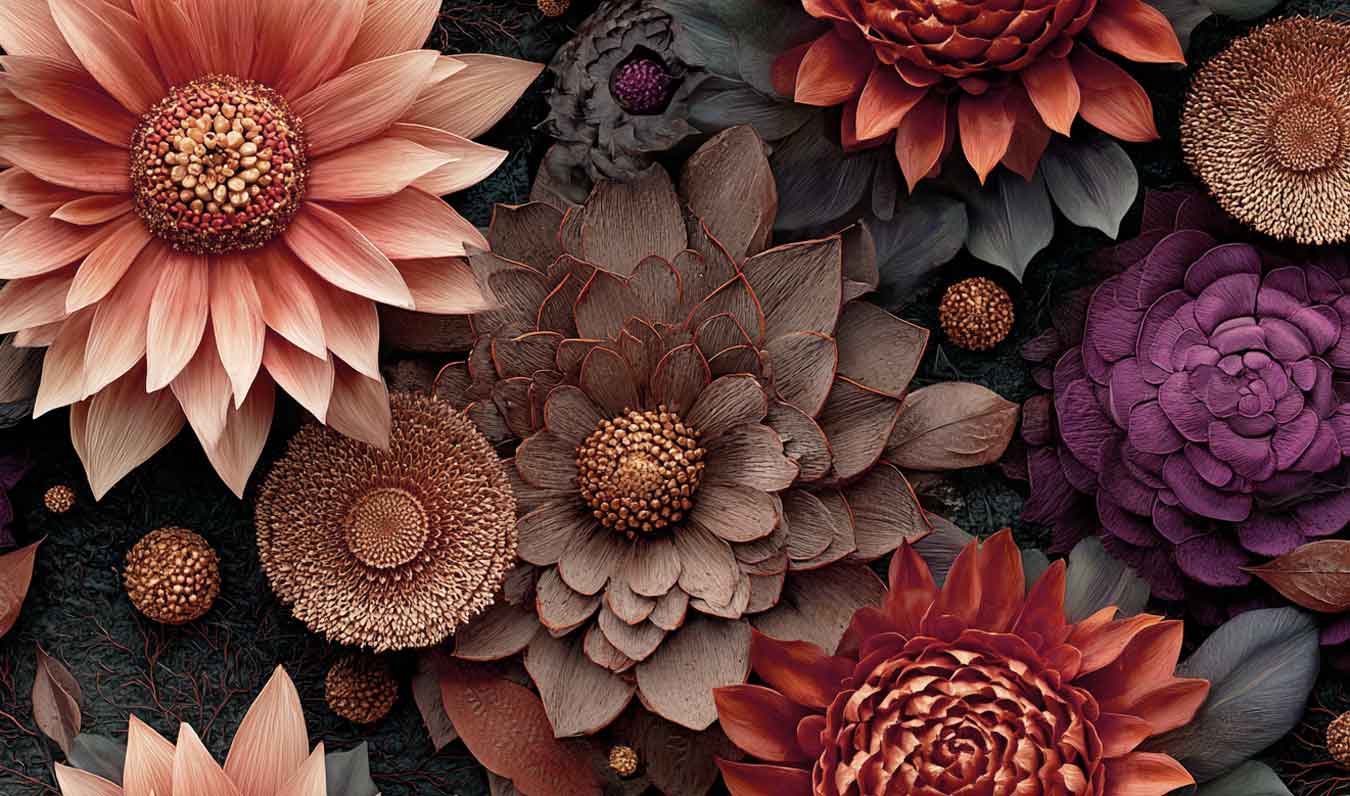
Across spring landscapes, countless biological systems begin negotiating visibility. Buds soften, petals separate, pollinators alter their routes. Entire ecosystems reorganize around the timing of opening.
Opening Context
Flowers do not open continuously, they unfold according to temperature, light duration, moisture, and pollinator presence. Some bloom only for hours while others respond to cloud cover or atmospheric pressure. The aperture is selective.
Floral Aperture represents one of nature's most sophisticated threshold systems. A bloom is not simply an aesthetic event—it is an ecological decision. Spring teaches that receptivity is not surrender, it is intelligent timing.
Core Concept
A floral aperture is a living threshold system that regulates aspect such as visibility, exchange, vulnerability, attraction, and reproductive access.
The bloom becomes a negotiation between interior and exterior worlds, where the flower does not merely appear, it decides when conditions are coherent enough for revelation.
Pattern Fragments
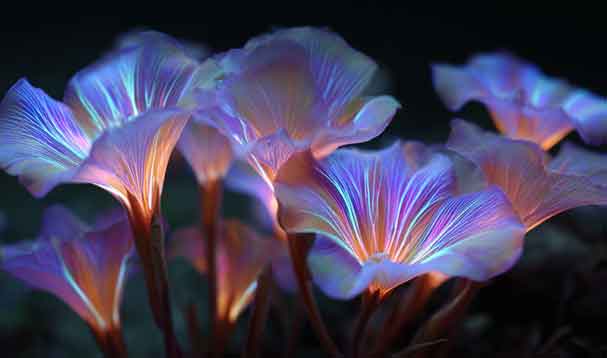
Petal unfolding sequences - tightly folded blooms separating incrementally at dawn, petals spiraling outward through soft atmospheric haze.
Ecological Mechanics - hydration pressure, temperature increase, and circadian timing trigger cellular expansion within petal structures.
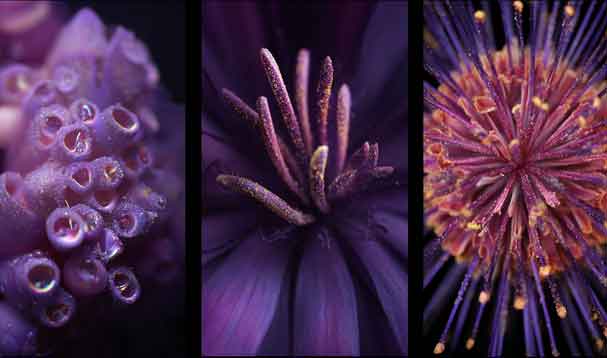
Nectar-guided geometry - macro floral interiors displaying radial symmetry, ultraviolet nectar pathways, and luminous pollen dust are evolved visual guidance systems specifically for pollinator navigation.

Process Insight
A bud contains latent structure. The bloom phase represents a transition from compressed intelligence into distributed signaling. The flower externalizes that structure into relational form.
This mirrors the evolution of the larger Spring system:
- March = encoded potential
- April = environmental activation
- May = communicative emergence
The aperture is where internal order becomes externally legible. Nature rarely opens all at once, it unfolds through layered permission.
Closing Mark
Nature embeds direction inside beauty.
- Recorded during peak atmospheric bloom conditions
- Earth Cycle: 2026.05